Engine Repair Signs You Should Never Ignore
Your engine is the heart of your vehicle. It powers your daily commute, weekend errands, work trips, and everything in between. When something goes wrong with the engine, even a small issue can affect performance, fuel efficiency, reliability, and overall peace of mind. That is why engine problems should never be brushed aside or pushed off for too long.
At C&L Automotive in Bryan, TX, we know many drivers hope an engine issue will simply go away on its own. Maybe the car still starts. Maybe the noise only happens sometimes. Maybe the warning light comes and goes. But engine trouble often gets worse with time, and ignoring the early signs can lead to more involved and more expensive repairs later.
In this guide, we are breaking down what engine repair really means, the warning signs drivers should pay attention to, common causes of engine problems, and why early action can help protect your vehicle for the long haul.
What Engine Repair Actually Covers
Engine repair is a broad category because the engine itself is made up of many connected parts working together under heat, pressure, and constant motion. When one part is not working properly, it can affect overall performance and even place extra strain on nearby components.
Engine repair can involve issues related to:
- Engine performance
- Ignition components
- Fuel delivery
- Sensors and electronics
- Air intake systems
- Cooling-related concerns
- Gaskets and seals
- Oil-related problems
- Internal mechanical wear
Some engine repairs are smaller and easier to address when caught early. Others become major jobs when the warning signs are ignored. That is why understanding the symptoms matters so much.
At C&L Automotive in Bryan, TX, we encourage drivers to think of engine repair as more than fixing a breakdown. It is about protecting reliability before a manageable issue turns into a major one.
Why Engine Problems Should Never Be Delayed
Many auto issues can start small. Engine trouble is one of the clearest examples. A slight misfire, rough idle, strange smell, or dashboard light may not seem urgent at first, but those early symptoms can point to deeper problems developing inside the engine system.
Delaying engine repair can lead to:
- Reduced performance
- Lower fuel efficiency
- Hard starting or no-start situations
- Increased engine wear
- Overheating risk
- Damage to related systems
- Higher repair costs later
- More stress and less reliability
What begins as a minor drivability issue may become a larger repair if the cause is allowed to continue. Addressing engine concerns early often gives you more options and helps reduce the chance of more expensive damage.
Common Signs You May Need Engine Repair
Your vehicle often gives you clues when the engine is not operating the way it should. The key is recognizing those clues early and not waiting until the problem becomes severe.
Common engine warning signs include:
- Check engine light
- Rough idle
- Slow acceleration
- Loss of power
- Engine knocking or tapping
- Excessive vibration
- Stalling
- Hard starting
- Poor fuel economy
- Smoke from the exhaust
- Burning smells
- Shaking during driving
- Unusual engine noise
- Oil leaks or fluid-related signs
A single symptom does not always mean a major repair is needed, but it does mean the vehicle deserves attention. When multiple symptoms appear together, it becomes even more important to have the issue inspected.
At C&L Automotive in Bryan, TX, we believe early diagnosis is one of the best ways to help drivers avoid larger repair bills.
What the Check Engine Light May Be Telling You
The check engine light is one of the most common warnings drivers see, but it is also one of the most misunderstood. Some people assume it is safe to ignore if the vehicle still seems to run fine. Others worry it automatically means a major engine failure. In reality, the light can come on for a wide range of reasons.
A check engine light may be related to:
- Sensor issues
- Ignition problems
- Fuel system concerns
- Airflow-related problems
- Emissions-related faults
- Misfires
- Engine performance issues
- Electrical communication errors
The light itself does not tell you the full story. It is only a signal that the vehicle has detected something outside normal operation. That is why proper diagnostics matter. The sooner the cause is identified, the easier it is to decide what needs to happen next.
Why Engines Lose Performance Over Time
Engines operate in extreme conditions. Heat, friction, pressure, and thousands of moving events happen every minute while you drive. Over time, wear and buildup can affect how efficiently the engine performs.
Performance loss may show up as:
- Sluggish acceleration
- Hesitation when pressing the gas pedal
- Rough idling
- Less smooth driving
- Reduced power uphill
- Lower fuel economy
- More noticeable vibration
These symptoms do not all point to the same cause. Sometimes the problem is related to airflow, fuel delivery, ignition timing, sensors, or internal wear. That is why engine issues should be diagnosed based on the actual symptoms and conditions of the vehicle rather than guesswork.
Engine Noises That Should Not Be Ignored
Engines make normal operating sounds, but new or unusual noises are worth paying attention to. Sound changes are often one of the first clues that something is wrong.
Noises that may point to engine problems include:
- Knocking
- Tapping
- Ticking
- Rattling
- Hissing
- Popping
- Deep thudding sounds
Different sounds may suggest different issues. For example:
- Knocking
- May point to combustion-related problems or internal engine wear
- Ticking or tapping
- Can sometimes be linked to oil flow concerns or valve train issues
- Hissing
- May indicate vacuum leaks or pressure-related problems
- Rattling
- Can be caused by loose components or wear in connected parts
If a sound is new, getting louder, or happening more often, it deserves attention before the issue spreads.
Why Rough Idling Matters
A healthy engine should idle smoothly when your car is stopped. If the engine feels shaky, uneven, or unstable while sitting still, that is often a sign something is off.
Rough idle may be connected to:
- Fuel delivery issues
- Ignition problems
- Sensor-related faults
- Air intake imbalance
- Vacuum leaks
- Carbon buildup
- Engine timing concerns
Even if the car still drives, rough idle is not something to ignore. It often signals that the engine is not operating efficiently, and that can lead to other drivability issues over time.
What Causes Hard Starts or No-Start Problems
If your vehicle struggles to start, takes longer than normal to turn over, or fails to start at all, the issue may not always be the battery. Engine-related causes can also play a role.
Hard starting may be connected to:
- Fuel delivery problems
- Ignition system trouble
- Sensor malfunctions
- Airflow-related issues
- Compression concerns
- Electrical communication faults
Starting problems are frustrating, but they are also valuable clues. When your vehicle starts acting differently, it is a sign the engine system may need inspection before the problem leaves you stranded.
Why Smoke or Strong Smells Matter
Unusual smoke or strong smells from the vehicle should always be taken seriously. These symptoms can point to fluid leaks, overheating, burning oil, or other engine-related concerns.
Warning signs may include:
- Blue smoke
- White smoke
- Dark exhaust smoke
- Burning oil smell
- Sweet smell from under the hood
- Hot or burning odor after driving
While some causes may be minor, others can indicate more serious engine or cooling-related issues. The important thing is not to assume the smell or smoke will simply disappear.
Oil Problems and Engine Damage
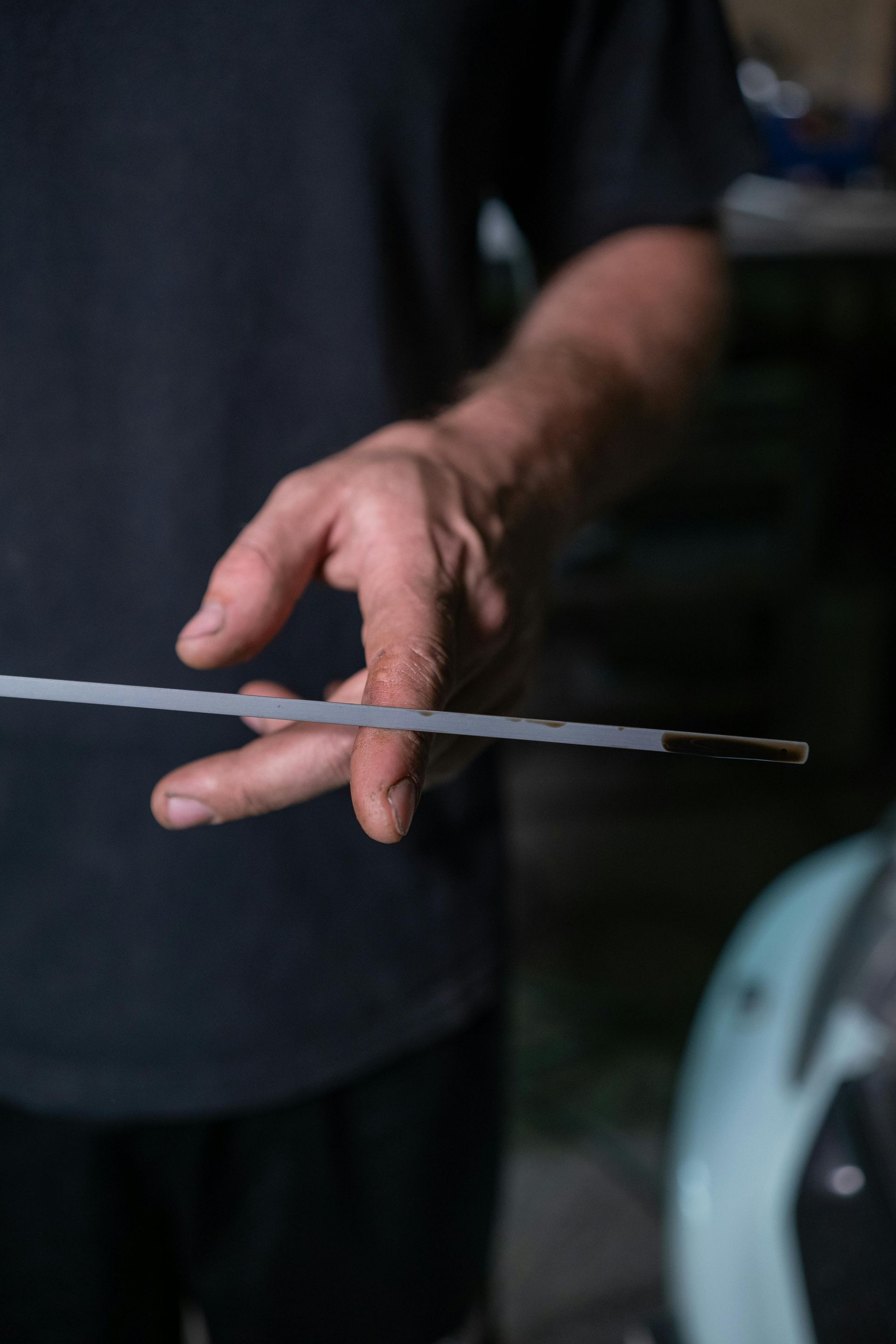
Clean oil is one of the most important things your engine needs to stay protected. When oil is low, old, dirty, or leaking, the engine may not get the lubrication it needs.
Oil-related issues can lead to:
- Increased friction
- Higher engine temperatures
- Faster internal wear
- Sludge buildup
- Noisy engine operation
- Reduced engine life
This is one reason routine maintenance matters so much. Regular oil changes and attention to leaks can help reduce the chance of more serious engine repair later.
Cooling System Issues and Engine Trouble
Your engine creates a tremendous amount of heat while running. The cooling system helps manage that heat so the engine can operate in a safe range. If cooling problems develop, the engine may overheat, and overheating can lead to serious damage.
Cooling-related problems that may affect the engine include:
- Overheating
- Coolant leaks
- Rising temperature gauge
- Steam under the hood
- Sweet smell from coolant loss
- Loss of cabin heat in some cases
Driving too long with overheating symptoms can turn a manageable repair into a major engine problem. That is why temperature warnings should never be ignored.
How Diagnostics Help with Engine Repair
Modern vehicles rely on many sensors, modules, and control systems. When engine problems appear, the most effective repair process usually starts with proper diagnostics.
Diagnostics can help identify issues related to:
- Warning lights
- Sensor readings
- Misfires
- Fuel and air balance
- Communication errors
- Performance irregularities
- Related system faults
Without proper diagnosis, it is easy to guess wrong and replace parts that are not actually the cause. Good diagnostics help narrow down the issue and create a more accurate repair plan.
At C&L Automotive in Bryan, TX, we believe correct diagnosis is one of the most valuable parts of engine repair because it helps drivers make informed decisions.
Driving Habits That Can Affect Engine Life
The way you drive and maintain your vehicle can have a major effect on engine health over time. Some wear is normal, but certain habits may accelerate problems.
Habits that may increase engine wear include:
- Skipping oil changes
- Ignoring warning lights
- Driving while overheating
- Hard acceleration when issues are already present
- Delaying service for strange noises
- Repeated short trips without enough warm-up time
- Letting minor leaks continue too long
Habits that may help protect the engine include:
- Staying current on oil changes
- Addressing warning lights early
- Paying attention to performance changes
- Checking fluid levels regularly
- Scheduling inspections when new symptoms appear
- Following routine maintenance recommendations
Small maintenance decisions often have a bigger impact than drivers realize.
Why Early Engine Repair Can Save You Money
Many drivers delay engine service because they worry the repair will be expensive. But putting off the issue often makes the final bill larger, not smaller. When an engine problem is caught early, there is usually a better chance to limit damage and avoid additional repairs.
Early engine attention may help you:
- Prevent more severe internal wear
- Avoid damage to related components
- Restore better fuel economy sooner
- Reduce the chance of breakdowns
- Keep repair options simpler
- Lower long-term ownership costs
In many cases, the most affordable engine repair is the one handled before the damage spreads.
Why Students and Busy Drivers Should Stay Alert
In Bryan, TX, many drivers rely on their vehicles every day for school, work, errands, and family responsibilities. That makes engine reliability especially important. A vehicle with a growing engine problem may still get you through a few more days, but the stress of not knowing whether it will start or drive correctly can take a toll.
Paying attention to engine symptoms matters for:
- College students
- Commuters
- Families with busy schedules
- Drivers who travel often
- Anyone who depends on daily transportation
When you depend on your vehicle, early engine repair is not just about fixing a mechanical issue. It is about protecting your routine and reducing avoidable disruptions.
Common Myths About Engine Repair
Engine repair is an area where many drivers hear advice that is incomplete or outdated. Clearing up a few myths can help you make better decisions.
- If the car still runs, the engine problem is not serious
- Not always. Many serious issues begin with mild symptoms.
- The check engine light can wait as long as the car drives
- Delaying diagnosis can allow problems to worsen.
- Engine repair always means total engine failure
- Many engine issues are smaller and more manageable when caught early.
- If the noise comes and goes, it is probably nothing
- Intermittent symptoms can still point to real problems.
- Only old cars need engine repair
- Any vehicle can develop engine-related issues depending on use, maintenance, and condition.
The more drivers understand, the easier it is to respond early instead of waiting too long.
What Drivers Can Watch for Between Visits
There are simple ways to stay aware of your engine’s condition between regular service appointments. You do not need to diagnose the problem yourself, but you can notice changes and act sooner.
Watch for signs such as:
- Dashboard warning lights
- Strange sounds under the hood
- Rough idle
- Smoke or strong smells
- Fluid leaks
- Hard starting
- Lower fuel economy
- Sluggish acceleration
- Overheating symptoms
- Shaking while driving
These clues can help you catch engine trouble before it becomes a larger repair.
Why Preventive Maintenance Supports Engine Health
Not every engine problem can be prevented, but many can be reduced or caught earlier with strong maintenance habits. Preventive care supports performance, reliability, and longer engine life.
Helpful maintenance habits include:
- Regular oil changes
- Fluid checks
- Cooling system attention
- Timely diagnostics
- Watching for leaks
- Responding to warning lights
- Keeping up with scheduled maintenance
At C&L Automotive in Bryan, TX, we believe preventive maintenance is one of the best ways to reduce engine stress and protect your vehicle over time.
Final Thoughts
Engine repair can sound intimidating, but the most important step is simple: do not ignore the early warning signs. Rough idle, power loss, unusual sounds, smoke, hard starting, warning lights, and overheating symptoms all deserve attention before they grow into more serious problems.
At C&L Automotive in Bryan, TX, we believe informed drivers make better decisions for their vehicles. When you understand what the warning signs mean and why early service matters, you are in a much better position to protect your engine, your budget, and your peace of mind. Staying proactive with engine care can help keep your vehicle reliable, efficient, and ready for the road ahead.